

Education Helps Protect Thinking Skills
Education Helps Protect Thinking Skills
We studied how education relates to daily functioning in older Puerto Ricans who have high levels of a blood marker linked to Alzheimer’s disease. We found that people with more years of schooling had better functional abilities, even when they showed signs of higher Alzheimer’s-related protein levels. We also saw that each additional year of education lowered the chance of having problems with daily tasks. Although a genetic risk factor called APOE ε4 did not strongly change this pattern, there was a trend suggesting that education may help reduce some of the negative effects of this gene. These results suggest that education may help build “cognitive reserve,” which supports the brain when facing disease-related changes. Studying a diverse population like Puerto Ricans is important because it helps us understand how social and genetic factors work together in different communities. This work is significant because it shows that improving access to education may help protect brain health later in life.
Dorfsman DA, Cai D, Hamilton-Nelson KL, et al. Educational attainment is associated with reduced functional decline in Puerto Ricans with elevated pTau181. J Alzheimers Dis. 2026;110(2):685–695. doi:10.1177/13872877261415933

Differences in Ancestry Affect the APOE ε4 Gene and Alzheimer’s Disease Risk
Ancestry-related Differences in Chromatin Accessibility and Gene Expression of APOE ε4 Are Associated with Alzheimer’s Disease Risk
In this study, we explored why the APOE ε4 gene increases Alzheimer’s disease risk more strongly in people with European ancestry than in those with African ancestry. We analyzed brain tissue from individuals with Alzheimer’s disease who all carried two copies of APOE ε4 but differed in their local genetic ancestry around the APOE gene. Our results showed that APOE ε4 was more active in brains with European local ancestry, especially in astrocytes, a type of support cell in the brain. We found that this increased activity was linked to greater chromatin accessibility, meaning the DNA near APOE ε4 was more open and easier to turn on in European ancestry brains. These ancestry-related differences were not limited to APOE alone but extended across the genome. Genes with increased accessibility in European ancestry astrocytes were involved in processes such as synaptic function, cholesterol handling, and astrocyte reactivity. In the discussion, we suggest that these molecular differences help explain why APOE ε4 confers higher Alzheimer’s disease risk in people with European ancestry compared to those with African ancestry. Our findings highlight that genetic risk depends not only on which variant a person carries, but also on ancestry-specific regulation of gene activity. This work underscores the importance of studying multiple ancestries to fully understand Alzheimer’s disease biology and to ensure that genetic insights are relevant to all populations
Rajabli F, Seixas AA, Akgun B, Adams LD, Inciute J, Hamilton KL, Whithead PG, Konidari I, Gu T, Arvizu J, Golightly CG, Starks TD, Laux R, Byrd GS, Haines JL, Beecham GW, Griswold AJ, Vance JM, Cuccaro ML, Pericak-Vance MA. African Ancestry Individuals with Higher Educational Attainment Are Resilient to Alzheimer’s Disease Measured by pTau181. J Alzheimers Dis. 2024;98(1):221-229. doi: 10.3233/JAD-231116. PMID: 38393909; PMCID: PMC11091636.

African Ancestry Individuals with More Education Show Greater Resistance to Alzheimer’s Disease, Based on pTau181 Levels
African Ancestry Individuals with Higher Educational Attainment Are Resilient to Alzheimer’s Disease Measured by pTau181
In this study, we examined why some African ancestry individuals show better daily functioning even when they have biological signs of Alzheimer’s disease. We focused on a blood biomarker called pTau181, which reflects Alzheimer’s disease pathology in the brain. Our results showed that African American individuals with higher levels of education were better able to carry out everyday activities, even when their pTau181 levels were high. This suggests that education may help protect against the functional effects of Alzheimer’s disease, a concept often called cognitive or brain reserve. We also found that this protective effect of education was stronger in people who did not carry the APOE ε4 genetic risk factor. In the discussion, we suggest that education may help the brain cope with disease-related changes, delaying or reducing functional problems. These findings highlight that social factors, like access to education, play an important role in Alzheimer’s disease outcomes. Studying African ancestry populations is especially important because most Alzheimer’s research has focused on European ancestry groups, which can miss important differences. We conclude that including diverse ancestries and life experiences in research is essential for understanding resilience to Alzheimer’s disease and for developing more equitable prevention and care strategies.
Rajabli F, Seixas AA, Akgun B, Adams LD, Inciute J, Hamilton KL, Whithead PG, Konidari I, Gu T, Arvizu J, Golightly CG, Starks TD, Laux R, Byrd GS, Haines JL, Beecham GW, Griswold AJ, Vance JM, Cuccaro ML, Pericak-Vance MA. African Ancestry Individuals with Higher Educational Attainment Are Resilient to Alzheimer’s Disease Measured by pTau181. J Alzheimers Dis. 2024;98(1):221-229. doi: 10.3233/JAD-231116. PMID: 38393909; PMCID: PMC11091636.

AD Plasma Biomarker Stability at −20°C in Resource-Constrained Settings
Exploring the stability of AD plasma biomarkers stored for extended periods at −20°C: Implications for resource-constrained environments
In this study, we wanted to see if blood markers linked to Alzheimer’s disease stay stable when stored for a long time at -20°C, a temperature many labs around the world can access. We found that these biomarkers, including those related to amyloid and tau, did not change much over time, even without ultra-cold freezers. This means that labs with fewer resources can still collect and store samples in a reliable way (up to 15 weeks).These results show that important Alzheimer’s research does not always require expensive equipment. Because of this, more communities and countries can take part in studies that help us understand the disease. This makes research more fair and more representative of people around the world. Our findings could help improve early testing and tracking of Alzheimer’s disease in places that have been left out before. Overall, this work supports better access to scientific tools and helps move Alzheimer’s research forward in a more inclusive way.
Ayele BA, Whitehead PL, Pascual J, et al. AD plasma biomarkers are stable for an extended period at -20°C: implications for resource-constrained environments. Preprint. medRxiv. 2024;2024.07.17.24310504. Published 2024 Jul 17. doi:10.1101/2024.07.17.24310504
Mining DNA for Alzheimer’s Secrets
Mining DNA for Alzheimer’s Secrets
By Josh Baxt
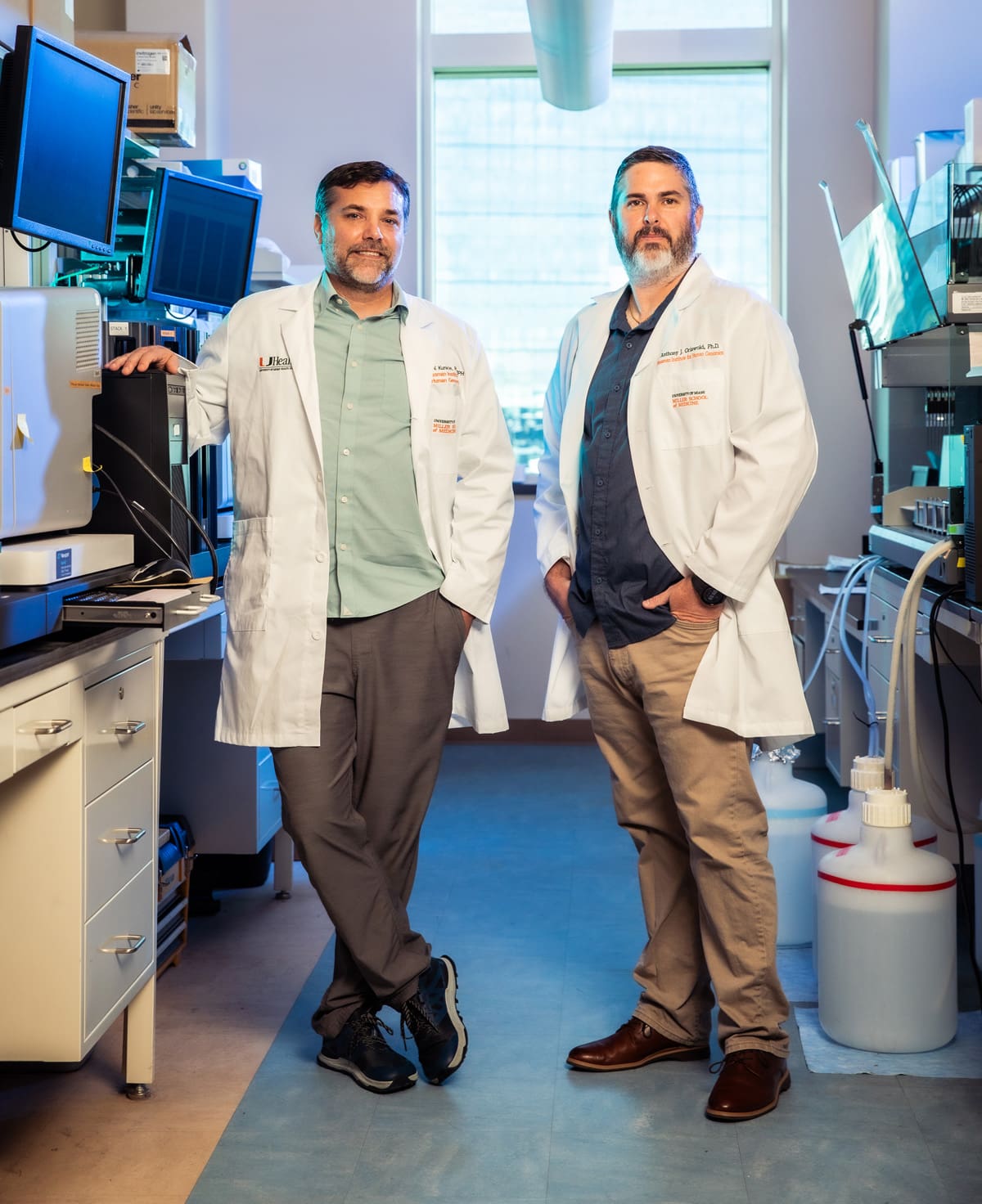
Researchers at the John P. Hussman Institute for Human Genomics (HIHG) at the University of Miami Miller School of Medicine are uncovering new insights into the genetic roots of Alzheimer’s disease, the most common form of dementia. Led by Anthony Griswold, Ph.D., and Brian Kunkle, Ph.D., M.P.H., the team is using advanced genome-wide association studies and whole-genome sequencing to identify genetic variations that influence risk and protection against the disease.
Their work casts a global net beyond populations of European ancestry to include groups from Africa, the Caribbean, and South America, revealing unique genetic markers and protective factors, such as variants in the APOEΣ4 gene. These discoveries are helping researchers better understand disease mechanisms and uncover new therapeutic targets.
The HIHG team is also advancing early detection efforts through innovative “liquid biopsy” techniques that identify Alzheimer’s biomarkers in blood plasma. This approach could allow for earlier diagnosis and more personalized treatment strategies.
“Every time we bring in a new population we’ve never studied before, we find new genetic markers,” said Dr. Griswold. “That’s going to help us develop diagnostic tests and medicines that could eventually help all people with Alzheimer’s.”
For the full story, click here.

🧠 Want a Healthier Brain? Try Being Creative!
🧠 Want a Healthier Brain? Try Being Creative!
By Susan H. Blanton, Ph.D.
A new study shows that doing creative things—like dancing, painting, playing music, or even playing video games—can help keep your brain younger and healthier.
Scientists looked at brain scans from over 1,400 people and used computers to figure out their “brain age.” That’s how old your brain seems based on how it works. They found that people who do creative activities often had brains that looked younger than their real age.
Even learning something new for a short time, like playing a strategy video game, helped. But the biggest benefits came from people who had been doing creative things for many years.
The study also found that creativity helps the brain stay strong in areas that usually get weaker with age. It improves how different parts of the brain work together, which helps with thinking, memory, and focus.
The best part? These benefits were seen in people from all over the world, no matter what kind of creative activity they did.
So if you want to keep your brain sharp, try something creative! Whether it’s dancing, drawing, or gaming, your brain will thank you.

U.S. Dementia Costs to Exceed $780 Billion This Year, USC-Led Research Finds
U.S. Dementia Costs to Exceed $780 Billion This Year, USC-Led Research Finds
Source: USC Schaeffer Institute for Public Policy & Government Service
Published Date: April 23, 2025
By USC Schaeffer Center
A new study from the USC Schaeffer Center reveals that the total economic burden of Alzheimer’s disease and related dementias in the United States is projected to reach $781 billion in 2025. This comprehensive estimate includes not only direct medical and long-term care costs but also factors in lost earnings and diminished quality of life for both patients and their caregivers.
A research team, led by Julie Zissimopoulos, created a special computer model that uses information from national surveys and health records to estimate how much dementia costs each year. This model takes into account the different stages of the disease and looks at how new treatments and care plans could affect costs.
Key findings from the study include:
– Medical and long-term care expenses for dementia patients are estimated at $232 billion for 2025, with $52 billion paid out-of-pocket by patients and families.
– Medicare and Medicaid are projected to cover $106 billion and $58 billion, respectively.
– The decline in quality of life is valued at $302 billion for patients and $6 billion for caregivers.
– Unpaid caregiving accounts for 6.8 billion hours, valued at $233 billion.
The study emphasizes the importance of understanding the full scope of dementia’s economic impact to inform policies and interventions aimed at reducing this burden. The researchers plan to update these estimates annually to track changes over time.

American Society of Human Genetics Honors Dr. Margaret Pericak-Vance with Lifetime Achievement Award
The annual award recognizes the John P. Hussman Institute for Human Genomics director’s substantial and far-reaching scientific contributions to human genetics.
By Lisette Hilton
Margaret Pericak-Vance, Ph.D., director of the John P. Hussman Institute for Human Genomics and the Dr. John T. Macdonald Foundation Professor of Human Genetics at the University of Miami Miller School of Medicine, has been honored with the American Society of Human Genetics’ (ASHG) 2024 Lifetime Achievement Award.
Dr. Pericak-Vance, who received her award at the ASHG’s annual meeting in Denver on Nov. 7, delivered a moving acceptance speech that touched on major personal and professional milestones. She acknowledged friends, family and colleagues for their support throughout her career.
“Thank you to all of my friends and family and collaborators and everyone who has supported my journey. Without you this would not have been possible,” said Dr. Pericak-Vance. “Genetics is a team science, and we need each other to move the field forward.”
Former winners include Nobel Prize winners Joseph L. Goldstein, Michael S. Brown and Kary B. Mullis, as well as Alec Jeffreys, who established DNA fingerprinting, and physician-scientist Dr. Francis S. Collins, to name a few.
To Learn More, Visit The Millers School Of Medicine

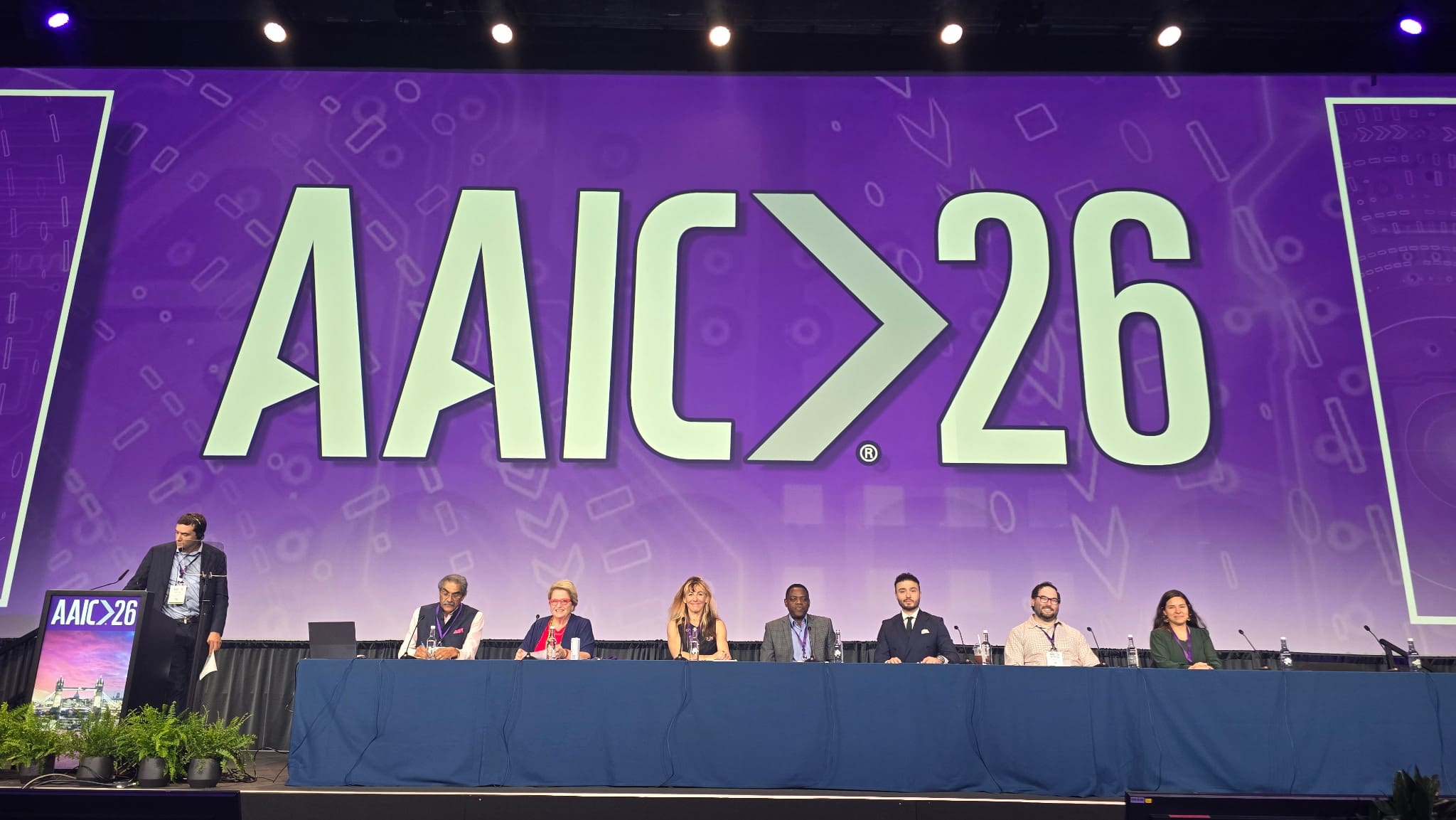

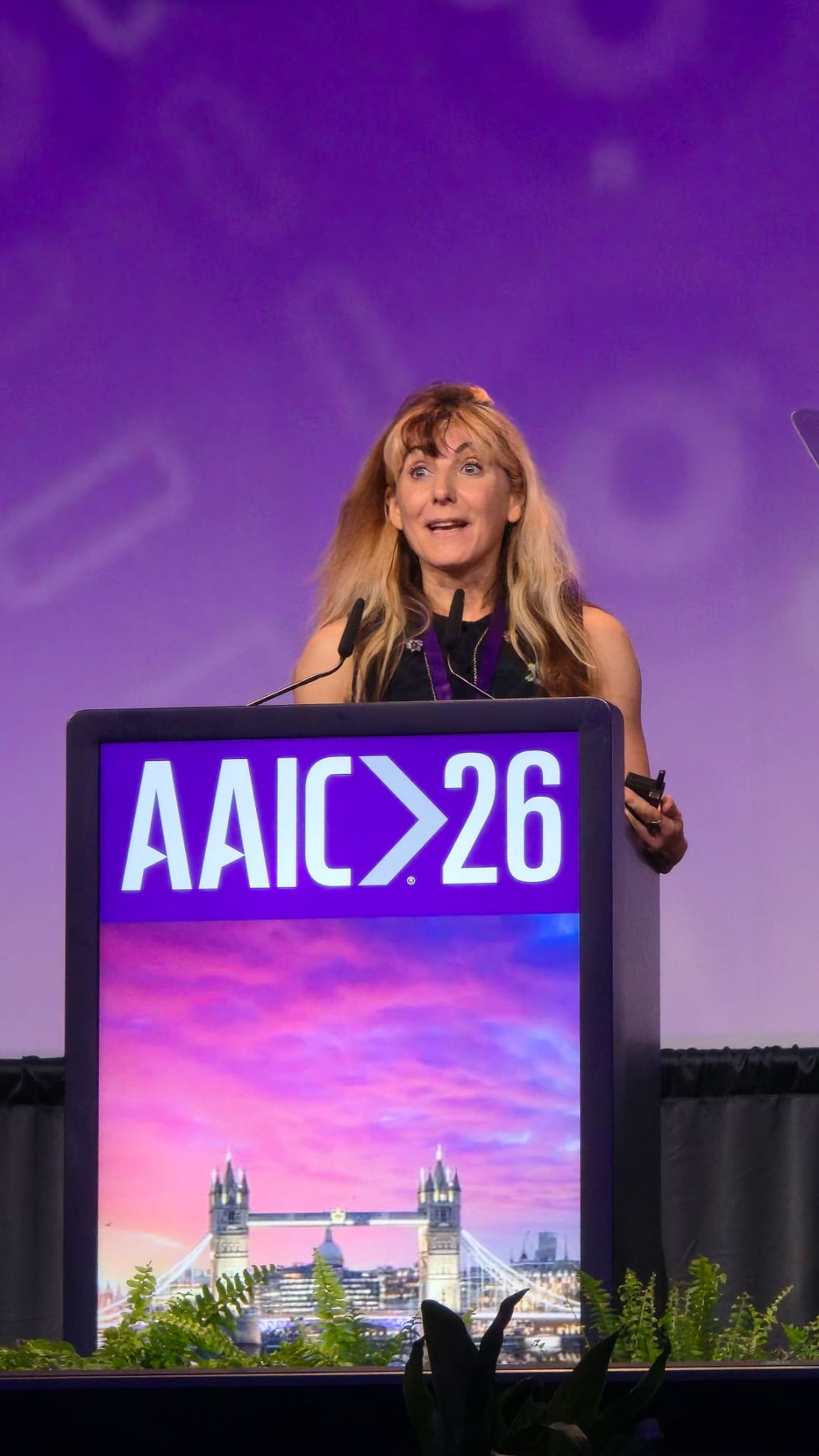
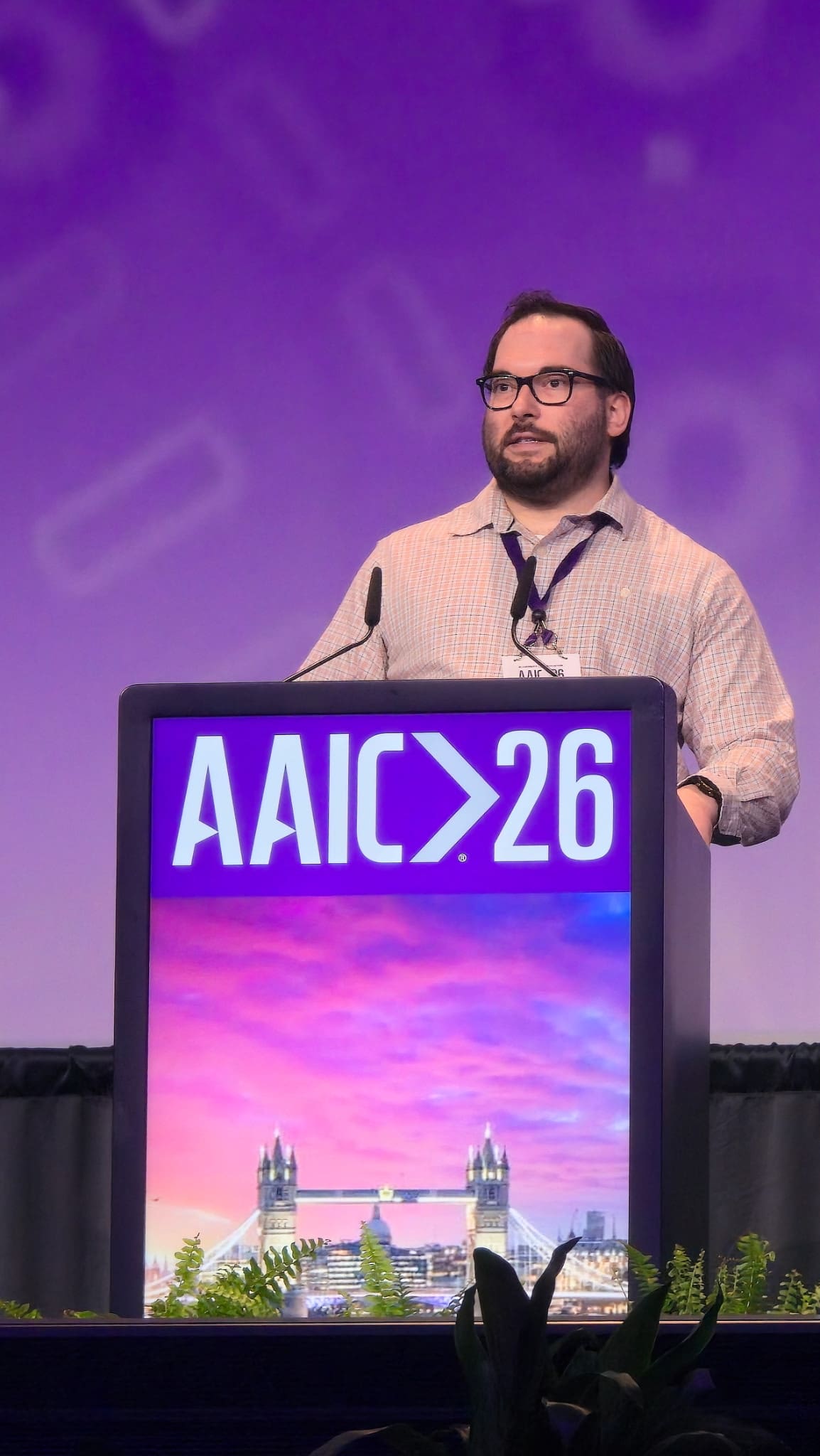
Finding That APOE4 Is Toxic in Alzheimer’s Can Help Guide Targeted Therapies
— Differing risk of APOE4 between ethnic backgrounds also may come into play
By Greg Laub
Interview With Jeffery Vance, MD, PhD
A working group of senior investigators, convened by the Alzheimer’s Disease Sequencing Project (ADSP), has reached a consensus that the APOE4 gene, long debated in Alzheimer’s research, is definitively toxic. This breakthrough not only opens the door for targeted therapies but also underscores the gene’s varying risk levels across different populations.
In this exclusive MedPage Today video, Jeffery Vance, MD, PhD, of the University of Miami Miller School of Medicine, describes the findings from the data analysis and how they might significantly reshape the future of Alzheimer’s treatment strategies.
For the full video and transcript, please visit Med Page Today.